Teenage acne can be frustrating. One morning you may notice a few small pimples on your forehead, and a few days later, more breakouts may appear around your cheeks, chin, or nose. If this sounds familiar, you’re definitely not alone.
Hormonal changes during puberty can increase oil production and clog pores, making acne one of the most common skin concerns during the teenage years. The good news is that you don’t need a complicated skincare routine to take better care of acne-prone skin.
The best acne tips for teens focus on gentle cleansing, appropriate acne treatments, moisturizing, sun protection, and healthy everyday habits. With patience and consistency, you can help your skin look and feel healthier.
Teen acne usually cannot disappear overnight. A simple routine with a gentle cleanser, moisturizer, sunscreen, and an appropriate acne treatment can help manage breakouts. Avoid picking pimples, over-washing your face, and using too many harsh products at once.
What Causes Teenage Acne?
Teenage acne is often linked to hormonal changes during puberty. As hormone levels change, the skin can produce more sebum, or natural oil.
When excess oil mixes with dead skin cells, pores can become clogged. This can lead to whiteheads, blackheads, pimples, and other types of breakouts.
Other factors may also contribute, including:
- Genetics
- Stress
- Hormonal changes
- Certain skincare or cosmetic products
- Excessive touching of the face
- Poor skincare habits
Acne is not simply caused by having a dirty face. In fact, washing too aggressively can irritate the skin and make it feel worse.
Best Acne Tips for Teens
If you’re looking for practical ways to manage breakouts, start with these simple habits.
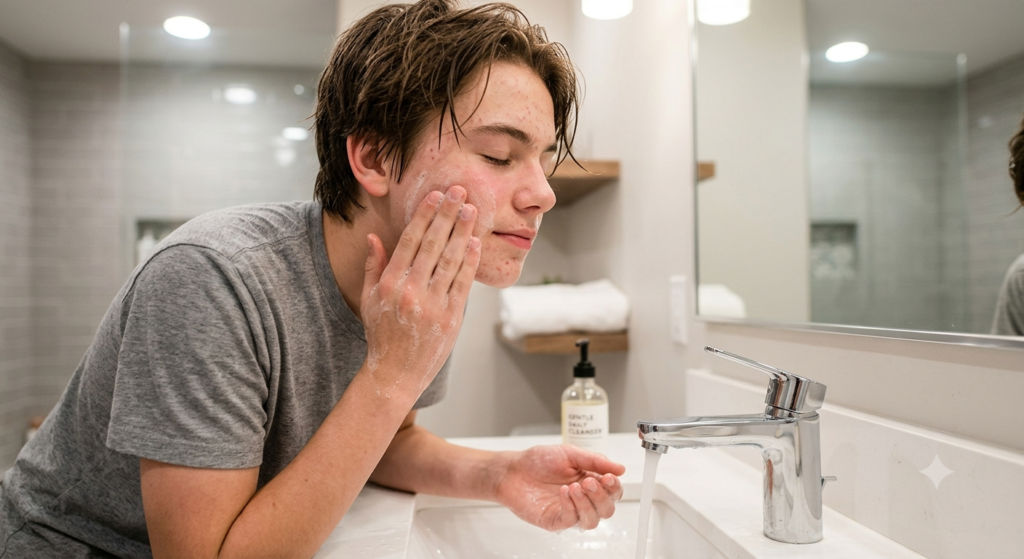
1. Wash Your Face Gently
Cleanse your face in the morning and before bed using a gentle cleanser.
Avoid scrubbing aggressively because acne-prone skin can become irritated easily. Use lukewarm water and gently pat your face dry with a clean towel.
2. Don’t Pick or Pop Pimples
It can be tempting to squeeze a pimple when it appears, especially before school or an important event.
However, picking can increase inflammation and may increase the chance of lingering marks or scars.
Let blemishes heal rather than repeatedly touching them.
3. Moisturize Acne-Prone Skin
Having oily skin doesn’t mean you should skip moisturizer.
A lightweight, non-comedogenic moisturizer can help keep your skin comfortable without unnecessarily clogging pores.
Look for a formula that suits your skin type and doesn’t leave your face feeling greasy or heavy.
4. Wear Sunscreen
Use a broad-spectrum sunscreen with SPF 30 or higher during the day.
Sun exposure can contribute to skin damage and can make dark marks left after pimples more noticeable.
Choose a lightweight sunscreen that feels comfortable on acne-prone skin.
5. Don’t Use Too Many Acne Products
Using several acne treatments at once may seem like a faster solution, but it can lead to dryness, redness, and irritation.
Start with one suitable treatment and give your skin time to adjust.
6. Keep Your Hands Away From Your Face
Your hands come into contact with many surfaces throughout the day.
Try to avoid touching your face unnecessarily, especially when you have active breakouts.
7. Change Pillowcases Regularly
Oil, sweat, and skincare products can build up on pillowcases over time.
While changing your pillowcases won’t cure acne on its own, it is a simple general hygiene habit that can help keep your sleeping environment cleaner and may reduce the amount of oil and bacteria your face comes into contact with overnight.
Simple Skincare Routine for Teenage Acne
A basic routine is often easier to maintain than a complicated one.
Morning Routine
Step 1: Gentle cleanser
Step 2: Lightweight moisturizer
Step 3: SPF 30+ sunscreen
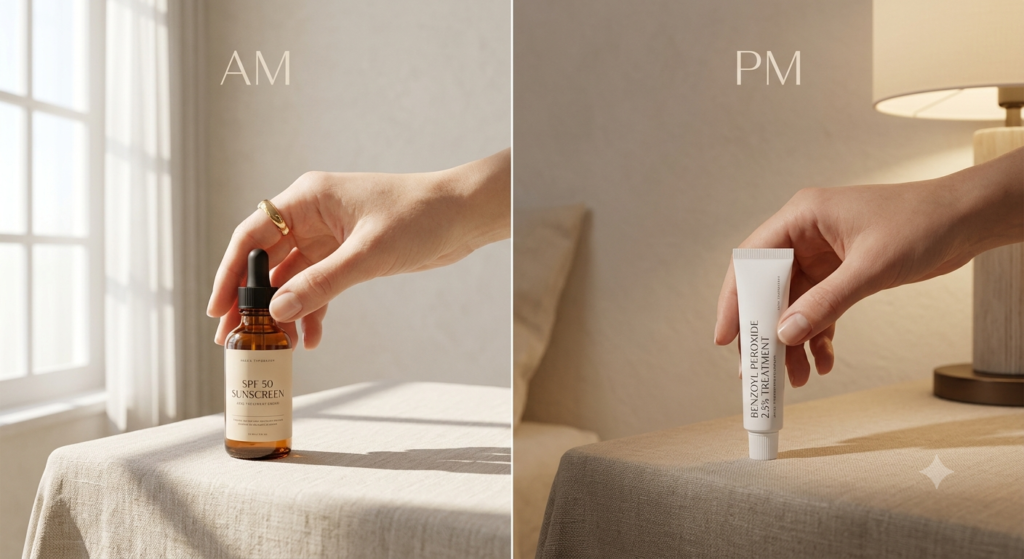
Night Routine
Step 1: Gentle cleanser
Step 2: Acne treatment if appropriate
Step 3: Moisturizer
You don’t need to use a dozen products to take care of teenage skin.
Consistency is more important than the number of steps.
How to Get Rid of Teenage Pimples Naturally at Home
Many teenagers search for how to get rid of teenage pimples naturally at home because they want to avoid strong treatments.
The safest approach is to focus on gentle habits rather than experimenting with harsh DIY ingredients.
You can:
- Wash your face gently twice daily.
- Avoid picking your pimples.
- Keep pillowcases and towels clean.
- Use a simple moisturizer.
- Protect your skin from the sun.
- Get enough sleep.
- Eat a balanced diet.
- Manage stress.
Be careful with viral home remedies. Ingredients found in the kitchen aren’t automatically safe for facial skin.
Avoid putting harsh substances such as lemon juice, undiluted essential oils, or abrasive scrubs directly on your face. They can cause irritation and make acne-prone skin more uncomfortable.
Natural does not always mean gentle.
How to Get Rid of Teenage Pimples on the Forehead
Forehead pimples can be particularly noticeable, especially when you’re dealing with oily skin or sweating.
If you’re wondering how to get rid of teenage pimples on forehead, start by looking at your everyday habits.
Keep Hair Away From Your Face
Hair products and natural scalp oils can transfer onto the forehead.
If you have bangs or long hair, try keeping your hair clean and away from your face when possible.
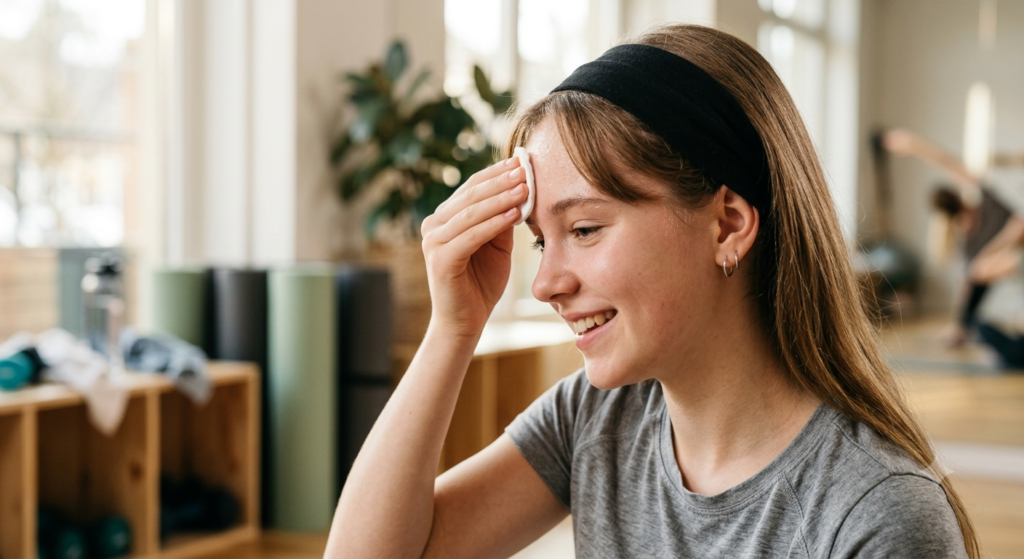
Wash After Heavy Sweating
Sweat can mix with oil and skincare or hair products. After sports or heavy exercise, gently cleanse your face when practical.
Avoid Heavy Hair Products
Some styling products may contribute to clogged pores around the hairline in people who are sensitive to them.
Don’t Scrub the Forehead
Scrubbing harder won’t make pimples disappear faster. Gentle cleansing is usually a better approach.
If forehead acne is persistent or becomes painful, consider talking to a dermatologist.
Teenage Hormonal Acne Treatment
Hormonal changes are a major reason acne becomes more common during puberty.
If you’re dealing with teenage hormonal acne treatment, the first step is usually to establish a consistent basic skincare routine.
Depending on the type and severity of acne, ingredients such as salicylic acid or benzoyl peroxide may be used in appropriate products.
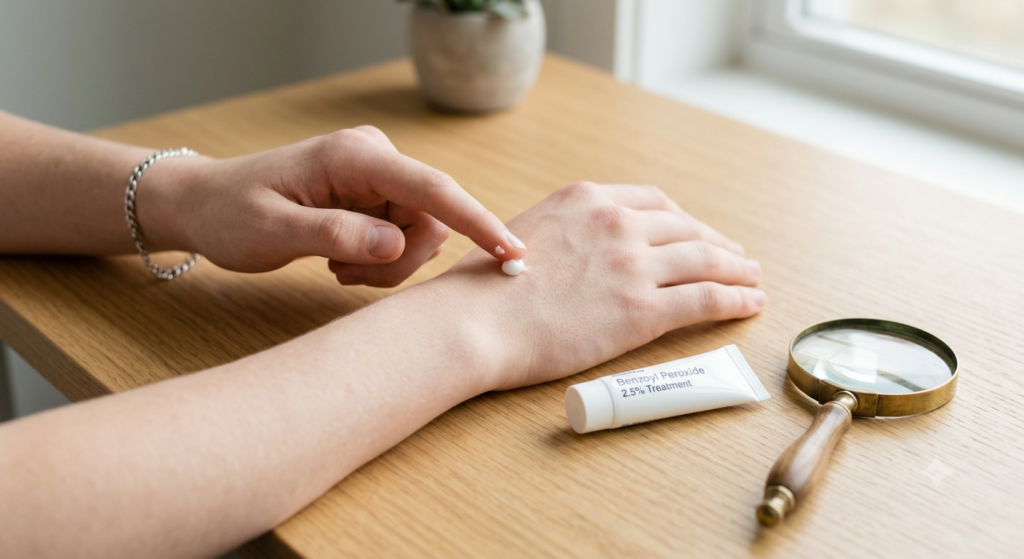
A note on using these treatments: When you first start using salicylic acid or benzoyl peroxide, it’s common to experience some dryness, peeling, or mild irritation as your skin adjusts. Start by applying the product every other night rather than daily, and always follow with a moisturizer. Also, be aware that benzoyl peroxide can bleach towels, washcloths, and even clothing or pillowcases—so it’s a good idea to use white fabrics and wash your hands thoroughly after applying it.
If your acne is severe, painful, widespread, or leaving scars, professional medical advice is important. A dermatologist can determine whether you need a stronger treatment.
Acne Treatment for Teen Boys
Acne doesn’t only affect girls. Teen boys can experience significant breakouts during puberty as well.
A simple acne treatment for teen boys can begin with the same basics:
- Gentle cleanser
- Lightweight moisturizer
- Daily sunscreen
- Appropriate acne treatment when needed
Boys who shave should also pay attention to shaving habits.
Use a clean, sharp razor and avoid repeatedly going over irritated areas. If shaving causes frequent bumps or irritation, talk with a healthcare professional about suitable options.
Teen Girl Acne Treatment
Hormonal changes can also cause frequent breakouts in teenage girls.
A teen girl acne treatment routine should remain simple and consistent.
Start with:
- Gentle cleansing
- Lightweight moisturizer
- Daily sunscreen
- One suitable acne treatment if needed
If breakouts become severe or painful, don’t keep adding products in an attempt to fix the problem yourself. A dermatologist can recommend treatment based on the type and severity of the acne.
If acne seems to become noticeably worse around menstrual periods, mentioning this pattern to a healthcare professional can also be useful.
Teenage Acne Diet: What Should You Eat?
Diet isn’t a guaranteed cure for acne, and there isn’t one food that can magically clear your skin.
However, maintaining a balanced diet supports overall health.
Include a variety of:
- Vegetables
- Fruits
- Whole grains
- Protein-rich foods
- Healthy fats
Instead of following an extremely restrictive teenage acne diet, focus on balanced eating habits.
If you notice that a particular food consistently seems to affect your skin, discuss it with a healthcare professional rather than removing large food groups from your diet without guidance.
What About Indian Home Remedies for Teenage Pimples?
Searches for Indian home remedies for teenage pimples are common because traditional skincare practices have been passed down through generations.
However, not every traditional remedy is suitable for acne-prone facial skin.
Before applying any homemade mixture, consider whether the ingredients could cause irritation or an allergic reaction.
Avoid harsh scrubbing and acidic ingredients such as undiluted lemon juice. A simple skincare routine is often a safer choice than experimenting with multiple DIY treatments.
If you want to use a natural product, choose one designed specifically for facial skin and follow its instructions.
How to Get Rid of Teenage Acne Fast?
If you’re asking how to get rid of teenage acne fast, it’s important to set realistic expectations.
There is no reliable overnight cure for acne.
You may be able to reduce irritation and prevent additional breakouts by:
- Keeping your routine simple
- Avoiding picking
- Using an appropriate acne treatment
- Moisturizing regularly
- Wearing sunscreen
- Getting enough sleep
Acne treatment generally requires patience. Give a consistent routine enough time to show results rather than changing products every few days.
How Can a 14-Year-Old Get Rid of Acne?
A 14-year-old can start with a simple, age-appropriate routine.
Morning
- Gentle cleanser
- Lightweight moisturizer
- Sunscreen
Evening
- Gentle cleanser
- Appropriate acne treatment if needed
- Moisturizer
Avoid copying complicated adult skincare routines.
If acne is severe, painful, or affecting confidence, talk with a parent or guardian and consider seeing a dermatologist.
How Do You Treat Teenage Acne?
The right treatment depends on the type and severity of acne.
For mild breakouts, basic skincare and an appropriate over-the-counter acne treatment may be enough.
Common acne-care ingredients include:
Salicylic Acid
Salicylic acid can help unclog pores and is often used for blackheads and whiteheads.
Benzoyl Peroxide
Benzoyl peroxide can help treat inflammatory pimples and prevent new breakouts.
Niacinamide
Niacinamide may support the skin barrier and can be helpful for some people with oily or irritated skin.
Don’t use every active ingredient together. Start with one treatment and follow the product directions.
How Can a 15-Year-Old Get Clear Skin?
If you’re wondering how can a 15 year old get clear skin, remember that healthy skin doesn’t mean having absolutely no pimples.
At 15, hormonal changes can still cause breakouts even when you’re taking good care of your skin.
Focus on:
- Gentle cleansing
- Daily moisturizing
- Sunscreen
- Appropriate acne treatment
- Not picking pimples
- Healthy sleep habits
- Balanced nutrition
- Stress management
Give your routine time and avoid comparing your skin with edited photos or heavily filtered social media images.
Common Acne Mistakes Teens Should Avoid
Overwashing
Washing your face repeatedly can cause dryness and irritation.
Harsh Scrubbing
Scrubbing acne aggressively can make irritated skin feel worse.
Picking Pimples
Picking can increase inflammation and may contribute to scarring.
Sleeping With Makeup On
If you wear makeup, remove it thoroughly before going to bed.
Sharing Skincare Products
Products that work for one person may irritate another person’s skin.
Changing Products Too Often
Constantly switching treatments makes it difficult to determine what is helping or irritating your skin.
When Should Teens See a Dermatologist?
Mild occasional pimples are common during puberty, but some acne needs professional treatment.
Consider seeing a dermatologist if:
- Acne is painful or deep.
- Breakouts are widespread.
- Acne is leaving scars.
- Over-the-counter products aren’t helping.
- Acne is affecting your confidence or daily life.
- Your skin is becoming very irritated from treatments.
A dermatologist can identify the type of acne and recommend an appropriate treatment plan.
Frequently Asked Questions
How can I get rid of teenage pimples naturally?
Start with gentle cleansing, moisturizing, sunscreen, good hygiene, adequate sleep, and a balanced diet. Avoid harsh DIY treatments and don’t pick your pimples.
How can I get rid of forehead acne?
Keep your forehead clean, avoid heavy hair products, wash after sweating, and avoid touching or scrubbing the area. Persistent forehead acne may need professional treatment.
What is the best acne treatment for a teenage girl?
There isn’t one treatment that is best for every teenager. A gentle skincare routine combined with an appropriate acne treatment can help mild acne. Persistent or severe acne should be evaluated by a dermatologist.
What is a good acne treatment for teen boys?
Teen boys can start with gentle cleansing, moisturizer, sunscreen, and an appropriate acne treatment. Shaving habits should also be considered if irritation or bumps occur.
Can diet cause teenage acne?
Diet may influence acne for some people, but acne has many possible causes, including hormones and genetics. Focus on balanced nutrition rather than following an extremely restrictive diet.
How quickly can teenage acne improve?
Some improvements may take several weeks, and acne often requires consistent treatment over time. There is no guaranteed method to completely clear acne overnight.
Final Thoughts
Teenage acne can feel frustrating, but you don’t have to fight every breakout with a new product. The most useful acne tips for teens are surprisingly simple: cleanse gently, moisturize, protect your skin from the sun, use appropriate acne treatments carefully, and avoid picking or squeezing pimples.
Whether you’re looking for how to get rid of teenage pimples naturally at home, an acne treatment for teen boys, a teen girl acne treatment, or help managing hormonal breakouts, start with the basics and give your routine time to work.
Most importantly, remember that having acne doesn’t mean your skin is unhealthy or that you’ve done something wrong. 🌸 Teenage skin changes throughout puberty, and with the right care—and professional help when needed—you can manage breakouts while keeping your skin comfortable and healthy.
Disclaimer:
This article is for general information only and isn’t a substitute for professional medical advice. Always consult a qualified healthcare provider or dermatologist for personalized guidance regarding your skin health.
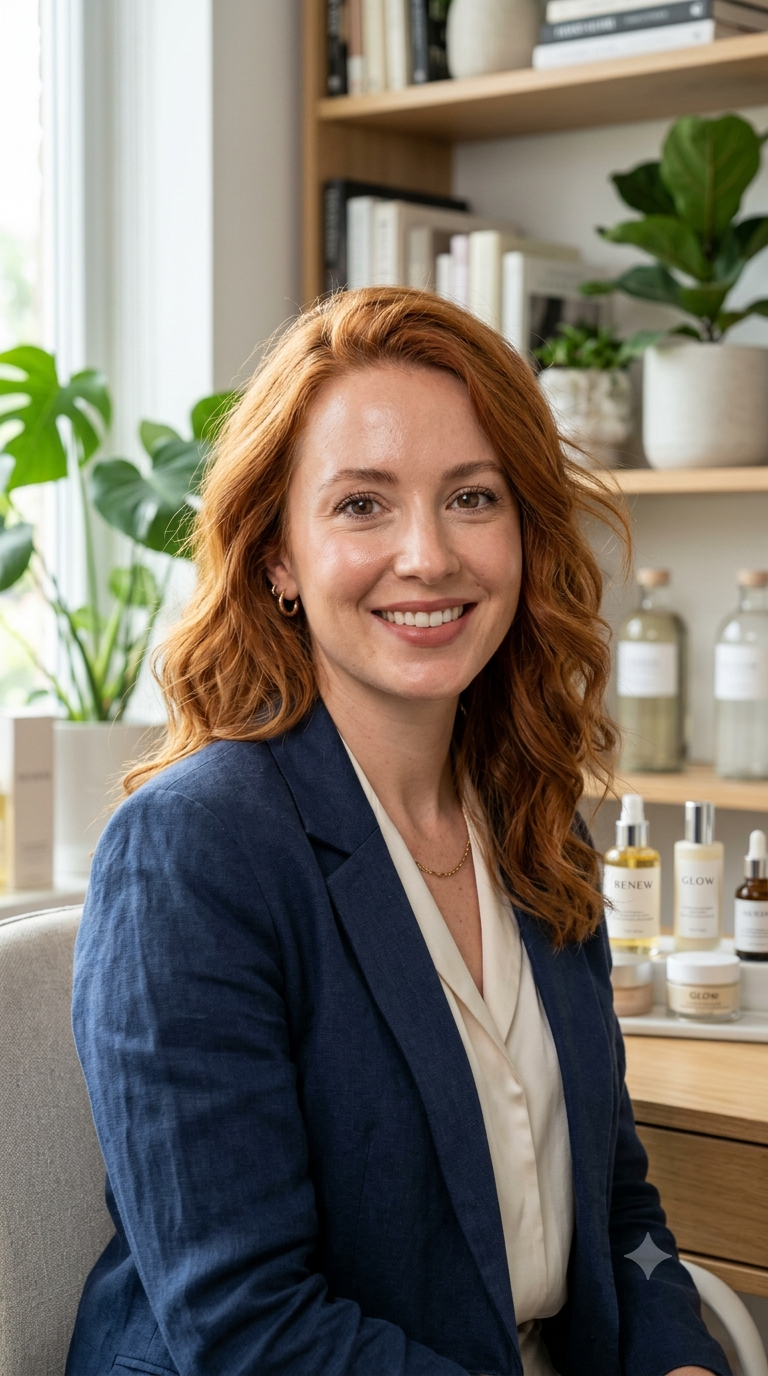
Hannah Collins is a skincare writer focused on simple routines, trusted ingredient research, and practical advice for healthy, glowing skin.