
If you’re staring at your newborn’s flaky little legs and wondering whether it’s okay to reach for the lotion, you’re not alone. Here’s the short answer: most pediatric guidance suggests waiting until your baby is about 2 to 4 weeks old before using lotion, and even then, less is more. Newborn skin is still adjusting to life outside the womb, and in the first days it usually doesn’t need any moisturizer at all.
Below, we’ll walk through why newborn skin is different, the signs that tell you moisturizer might actually help, how to pick a truly gentle product, and how to apply it safely.
Why Newborn Skin Doesn’t Need Lotion Right Away
A newborn’s skin is remarkably different from adult skin — and even from a 6-month-old’s skin:
- It’s thinner and more permeable. Products absorb more easily, which is why pediatricians recommend keeping the product list short in the early weeks.
- It’s covered in vernix. That creamy white coating (vernix caseosa) is nature’s own moisturizer. Pediatric guidance generally recommends leaving it on rather than washing it off, because it protects and hydrates the skin.
- Peeling is normal. Most newborns — especially those born a little past their due date — develop dry, flaky, peeling skin in the first week or two. This almost always resolves on its own as the skin adapts.
In other words, dry-looking skin in week one is usually not a problem that needs fixing. It’s a transition. This “less is more” approach is backed by NHS guidance on newborn skincare, which advises avoiding cleansing and moisturising products for the first few weeks until your baby’s skin has had time to mature naturally.
So When Can You Start?
The commonly cited guidance from pediatric sources is:
| Baby’s age | Lotion guidance |
|---|---|
| Birth – 2 weeks | Usually not needed. Let vernix do its job; keep baths short and gentle. |
| 2 – 4 weeks | You can introduce a simple, fragrance-free baby lotion or cream if skin looks dry. |
| 1 month+ | Moisturize as part of the routine, especially after baths, if your baby’s skin tends toward dryness. |
There’s no single magic day — think of 2 to 4 weeks as a sensible window rather than a strict rule. If your baby was born prematurely, check with your pediatrician first, as preemie skin is even more delicate and product guidance may differ.
Signs Your Newborn’s Skin Actually Needs Moisture
Not every baby needs lotion at one month. Look for these signs before adding it to the routine:
- Persistent dry patches that don’t smooth out after the first couple of weeks
- Rough, scaly areas on the legs, arms, or torso (mild flaking in week one doesn’t count)
- Skin that looks tight or uncomfortable after baths
- Winter babies — cold, dry indoor air dries out newborn skin faster
If the skin looks fine, you can skip lotion entirely. Many babies never need it in the newborn stage.
How to Choose a Safe Baby Lotion
The baby aisle is overwhelming, but choosing well comes down to a short checklist. Look for products specifically formulated for babies or sensitive skin, and keep the ingredient list boring — that’s a good thing here.
| Look for | Why it helps |
|---|---|
| Fragrance-free on the label | Fragrance is one of the most common skin irritants for babies |
| Short, simple ingredient list | Fewer ingredients = fewer chances of irritation |
| Hypoallergenic / dermatologist-tested | Not a guarantee, but a useful starting signal |
| Cream or ointment texture for dry skin | Thicker formulas lock in moisture better than thin lotions |
| Avoid or be cautious with | Reason |
|---|---|
| Added fragrance or parfum | Common irritant; “natural fragrance” can irritate too |
| Essential oils | Many are too strong for newborn skin |
| Dyes and colorants | Unnecessary and potentially irritating |
| Adult lotions and creams | Often contain fragrances, acids, or active ingredients meant for adult skin |
One label-literacy tip worth knowing: “fragrance-free” means no fragrance ingredients were added, while “unscented” can mean a masking fragrance was added to hide the product’s natural smell. For newborns, fragrance-free is the safer pick.
How to Apply Lotion to Your Newborn: Step by Step
Once you’ve chosen a gentle product, application matters too:
1. Start with clean hands. Wash your hands before touching your baby’s skin.
2. Do a patch test. Apply a small amount to one spot (like the inner forearm) and wait 24 hours to check for redness or irritation before using it all over.
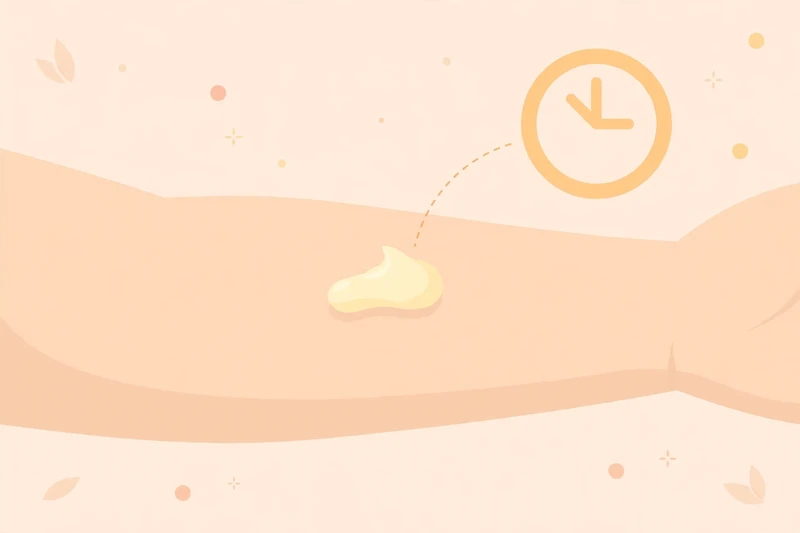
3. Apply after a bath. The best time to moisturize is within a few minutes of a lukewarm bath, while the skin is still slightly damp — the AAP similarly advises applying a small amount of fragrance-free, hypoallergenic moisturizing lotion right after a bath to help prevent dry skin. This “soak and seal” approach locks in the moisture.
4. Use a pea-sized amount per area. Warm it between your palms first, then smooth it on gently — don’t rub hard.
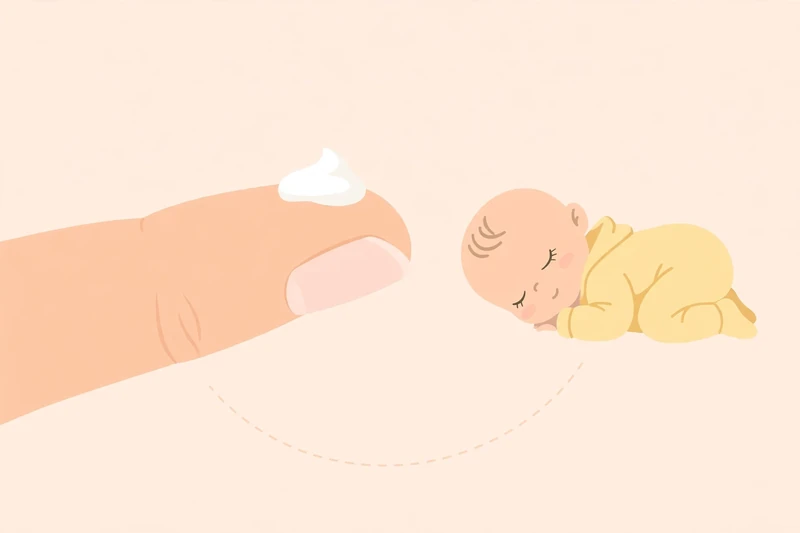
5. Avoid the eyes, mouth, and umbilical cord stump. Keep products away from the cord area until it falls off and heals.
6. Watch and adjust. If you notice redness, bumps, or increased dryness, stop using the product and mention it to your pediatrician.
When to Skip the Lotion
There are times when moisturizer should wait:
- Broken skin, rashes, or oozing areas — don’t apply lotion over these; ask your pediatrician what’s appropriate.
- Right after birth — let the vernix absorb naturally for the first day or so.
- If your baby’s skin is doing fine — no dryness, no discomfort, no need.
Baby Lotion vs. Cream vs. Ointment: Which Texture?
You’ll see all three on the shelf. The difference is water-to-oil ratio — and it matters for dry skin:
- Lotion — lightest, highest water content. Absorbs fast, good for normal skin and warmer weather.
- Cream — thicker, better for everyday dryness. The best all-rounder for most babies.
- Ointment (e.g., plain petroleum jelly) — heaviest, seals moisture in best. Ideal for very dry patches or winter.
A practical rule: the drier the skin, the thicker the product. Many parents keep a light lotion for daily use and a richer cream for dry spells.
Building Lotion Into the Routine (Without Overdoing It)
Once you’ve started, keep it simple:
- After baths is the prime window — within 3–5 minutes, while skin is still slightly damp.
- Once a day is plenty for most babies; twice only if skin is quite dry.
- Reassess monthly. Babies’ skin changes fast. What was needed at 6 weeks may be unnecessary at 4 months.
- One product at a time. If you want to try something new, introduce it alone so you can tell what caused any reaction.
And remember the golden rule of newborn skincare: if the skin looks healthy, the best product is no product.
FAQ
Can I use coconut oil or olive oil instead of baby lotion?
Many parents ask about kitchen oils. Coconut oil is generally considered gentle by many parents, but evidence is mixed and some oils (like olive oil) may actually disrupt the skin barrier. If you want to use an oil, discuss it with your pediatrician first, and stick to plain, single-ingredient options rather than blends with added fragrance.
My 10-day-old’s skin is peeling a lot — should I moisturize?
Peeling in the first two weeks is almost always normal, especially for babies born at or past 40 weeks. It typically resolves on its own. You generally don’t need to treat it — just keep baths short and lukewarm and avoid scrubbing the flakes off.
Is petroleum jelly safe for newborns?
Plain petroleum jelly is widely regarded as a gentle occlusive (moisture-sealer) and is often used in hospitals for newborn skin. As always, use a plain version without added fragrance, and keep it away from the face if your baby tends to get milia (tiny white bumps), which usually clear on their own.
Can I use the same lotion on my newborn’s face and body?
In most cases, yes — if it’s a gentle, fragrance-free baby product. Use an even thinner layer on the face, and avoid the eye area. If facial dryness persists or you see persistent redness, check with your pediatrician rather than layering on more product.
Keep Reading
You may also like: Should I Put Lotion on My Baby After Every Bath? What Age Should Kids Start Using Moisturizer? Is Coconut Oil Safe for Baby Skin? Does My Child Need a Skincare Routine? Soak and Seal Method for Kids Fragrance-Free vs Unscented Baby Products Is Bubble Bath Safe for Kids? Diaper-Free Time: Benefits for Baby Skin How Often Should Toddlers Bathe? Sunscreen for Babies Under 6 Months: A Parent’s Guide Baby Acne vs Rash: How to Tell the Difference Dry Patches on Toddler Skin: What Causes Them Baby Skincare Basics for New Parents How to Choose Safe Skincare Products for Kids Newborn Skincare Routine: A Week-by-Week Guide Toddler Skincare Routine: A Simple Guide
This article is for general information only and is not medical advice. Every child’s skin is different — if you’re unsure or notice anything concerning, talk to your pediatrician or a dermatologist.