
Getting a pimple right before school, a party, or an important day can be frustrating. You may want a quick solution, but trying to squeeze, scrub, or dry out a pimple can often make it more irritated and take longer to heal.
The good news is that you can take simple steps to calm a breakout and support healthier-looking skin. These pimple management tips focus on gentle skincare, sensible acne treatments, and habits that can help prevent new pimples from forming.
It is also important to set realistic expectations. There is no safe method that can guarantee clearing every pimple permanently, overnight, or in just a few minutes. However, the right routine can help pimples settle faster and reduce the chance of future breakouts.
What Causes Pimples?
Pimples develop when hair follicles become clogged with oil, dead skin cells, and other debris. During the teenage years, hormonal changes can increase oil production, making clogged pores and acne more common.
Several things can make breakouts more noticeable, including:
- Hormonal changes
- Excess oil production
- Certain skincare or cosmetic products
- Stress
- Picking or squeezing the skin
- Friction from things that repeatedly touch the face (like phone screens, helmets, or mask straps)
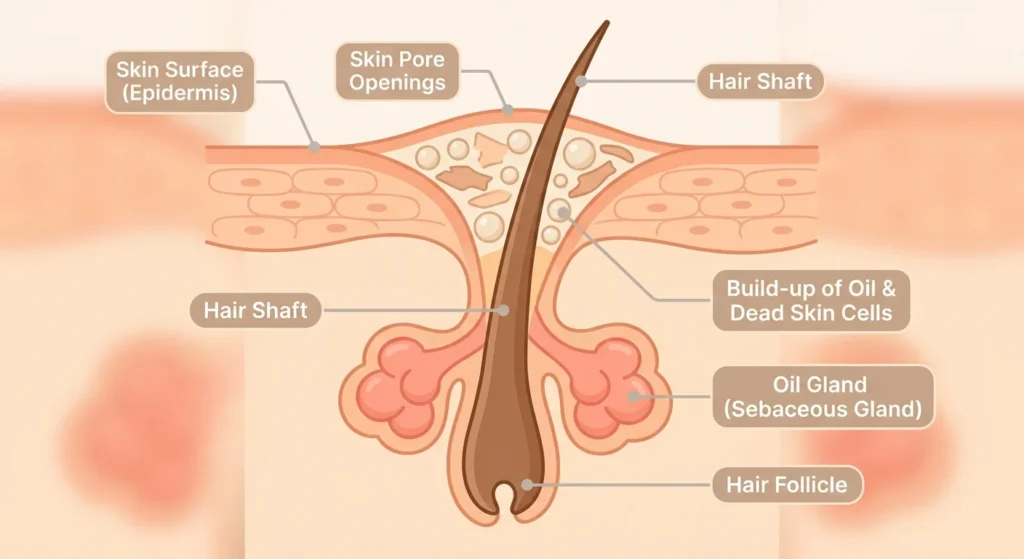
Regarding diet: For some people, certain foods—particularly high-glycemic items (like sugary snacks and refined carbohydrates) or dairy products—may contribute to breakouts. However, diet is just one piece of the puzzle and is rarely the sole cause of acne. A balanced diet supports overall health, but it is not a guaranteed cure for acne.
Understanding what is behind your breakouts can help you choose better acne management strategies instead of constantly trying new products.
Pimple Management Tips That Actually Help
When a pimple appears, the goal should be to reduce irritation and help the skin heal naturally.
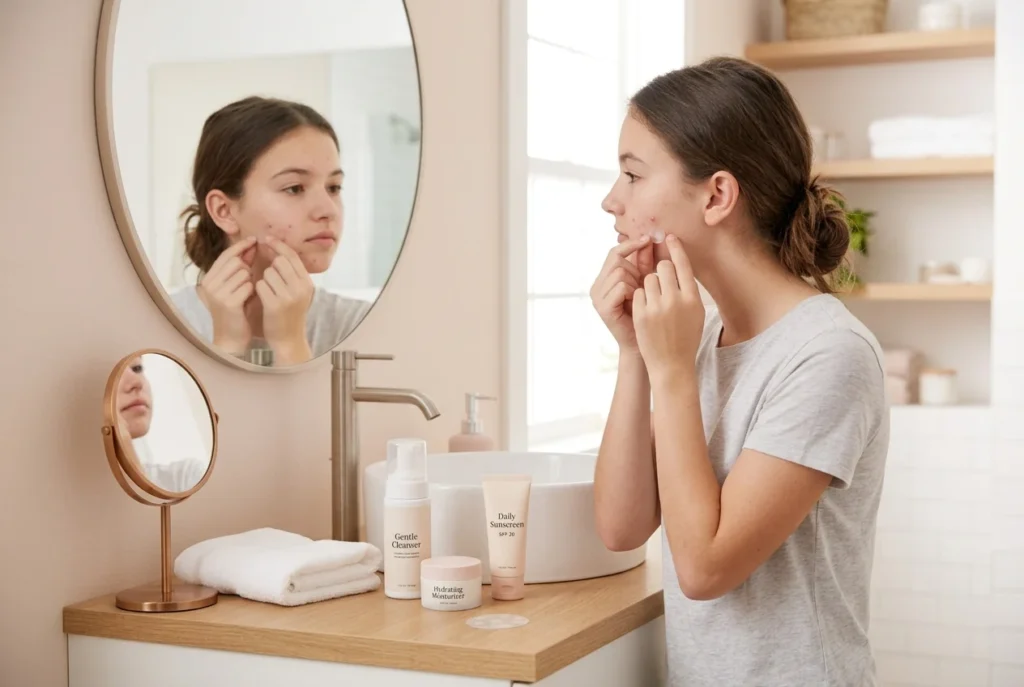
1. Don’t Pop, Squeeze, or Puncture It
This is one of the most important things you can do—and one of the hardest.
Squeezing a pimple can:
- Increase inflammation
- Push bacteria deeper into the skin
- Spread infection to surrounding areas
- Increase the risk of permanent marks and scars
- Make the pimple last longer than if you’d left it alone
Instead: Leave the pimple alone and use a suitable acne treatment if needed. If you absolutely cannot stop touching it, cover it with a hydrocolloid patch as a physical barrier.
2. Cleanse Your Face Gently
Wash your face with a gentle cleanser, especially after sweating. Avoid harsh scrubs, rough brushes, and repeated washing because irritation can make acne look worse.
What to do:
- Use lukewarm water (hot water strips natural oils)
- Use your fingertips, not washcloths or scrubbing tools
- Massage gently for 30-60 seconds
- Rinse thoroughly and pat dry with a clean towel
For most people, cleansing in the morning and evening is enough.
3. Try a Suitable Acne Treatment
Some over-the-counter acne products contain ingredients such as salicylic acid or benzoyl peroxide. These ingredients can help with different aspects of acne.
| Ingredient | Best For | How It Works |
|---|---|---|
| Salicylic Acid | Blackheads, whiteheads, clogged pores | Unclogs pores by dissolving dead skin cells |
| Benzoyl Peroxide | Inflamed red pimples, pustules | Kills acne-causing bacteria and reduces inflammation |
Important rules when starting a treatment:
- Start with one acne treatment rather than using several strong products at once
- Introduce it gradually—try applying every other night at first
- Use only a pea-sized amount for your whole face
- Always follow product directions
- Give it 6-8 weeks of consistent use to see results
- If you experience severe burning, peeling, or irritation, stop using it
4. Consider a Hydrocolloid Pimple Patch
A hydrocolloid patch can be useful for an individual pimple. It creates a protective covering over the spot and can help stop you from touching or picking it.
Important to know:
- These work best on surface-level pimples that have come to a head (whiteheads)
- They are less effective on deep, under-the-skin cysts
- They work by absorbing fluid and protecting the area while it heals
- They are not a treatment that penetrates the skin—they’re a protective tool
These patches are particularly useful when you keep accidentally touching the same pimple throughout the day.
5. Keep Your Skincare Simple
Adding five new products after seeing a breakout usually isn’t the answer. A basic routine can include:
Morning:
Gentle cleanser → Moisturizer → Broad-spectrum sunscreen (SPF 30+)
Night:
Gentle cleanser → Acne treatment (if appropriate) → Moisturizer
Keeping your routine consistent gives your skin time to adjust and makes it easier to tell what’s actually working.
About Adapalene: Age-Appropriate Guidance
Adapalene (available over-the-counter as Differin Gel 0.1%) is a topical retinoid that can be effective for treating acne. However, it requires some extra consideration, especially for younger teens.
| Age Group | Guidance |
|---|---|
| Ages 12-13 | Adapalene is generally not recommended as a first-line treatment. Start with gentler options like salicylic acid or benzoyl peroxide. If acne is significant, consult a pediatrician or dermatologist before using adapalene. |
| Ages 14-15 | May be appropriate for persistent acne that hasn’t responded to other treatments. Start slowly (every other night) and always use with moisturizer. Parental guidance and dermatologist consultation are recommended. |
| Ages 16+ | Can be used according to package directions, but still start gradually. Use only at night and always follow with moisturizer. Sunscreen is essential the next day. |
Important adapalene notes for ALL ages:
- It can cause purging (temporary worsening of acne) during the first 2-4 weeks—this is normal but can be discouraging
- It can cause dryness, peeling, and irritation—this is why starting slowly and using moisturizer is essential
- Sunscreen is non-negotiable the morning after using adapalene, as it increases sun sensitivity
- Do not use with other strong active ingredients (like benzoyl peroxide at the same time) unless directed by a dermatologist
- It takes 8-12 weeks to see full results—patience is key
Best practice: If you’re under 16, talk to a dermatologist or pediatrician before starting adapalene. They can advise whether it’s appropriate for your specific skin type and acne severity.
What to Do If You Accidentally Pop a Pimple
Despite your best intentions, sometimes you might squeeze or break a pimple. Here’s how to minimize the damage:
- Clean the area gently with a mild cleanser and lukewarm water
- Apply a small amount of benzoyl peroxide to help reduce bacteria (if you have it)
- Cover with a hydrocolloid patch to protect it as it heals
- Keep the area moisturized and avoid touching it further
- Don’t continue squeezing or scrub the area
This approach won’t undo the damage, but it can help reduce inflammation and lower the risk of scarring.
How to Manage Pimples Naturally
If you’re looking for natural approaches to support your skin, it’s helpful to understand what natural methods can and cannot do. Natural remedies are not a guaranteed cure for acne, and they cannot permanently prevent breakouts. They can, however, complement a gentle skincare routine.
Habits that can help support your skin:
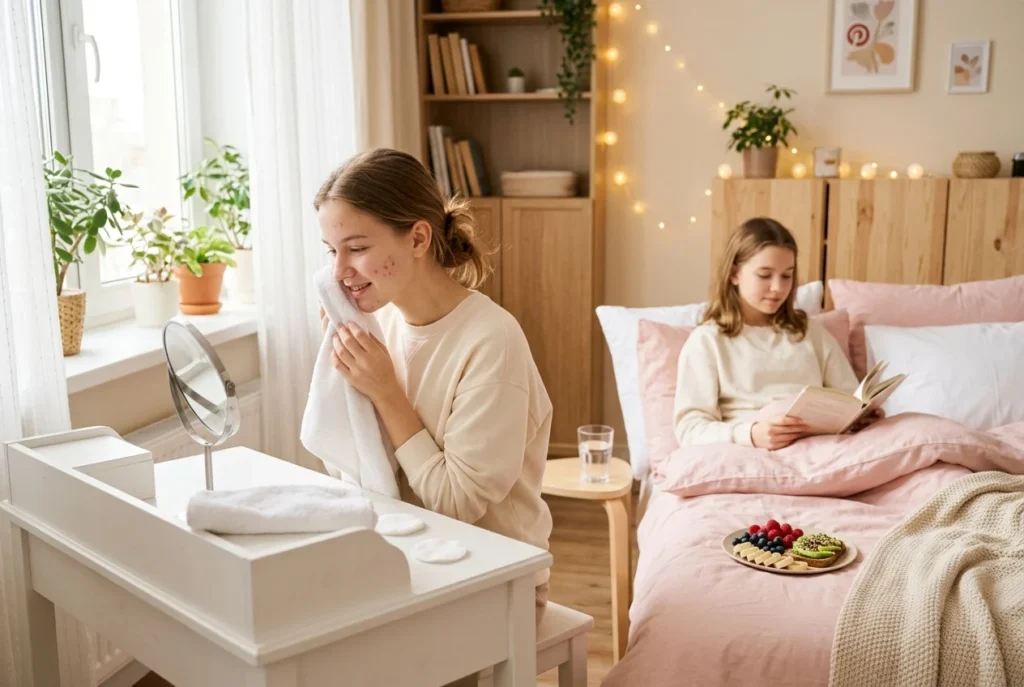
- Wash your face gently
- Avoid picking at pimples
- Keep pillowcases and anything touching your face clean
- Remove makeup before going to bed
- Choose non-comedogenic (won’t clog pores) skincare and makeup when possible
- Get enough sleep
- Eat a balanced diet
- Manage stress in healthy ways
What to AVOID:
Popular DIY remedies like lemon juice, baking soda, toothpaste, or undiluted essential oils can cause chemical burns, disrupt your skin’s natural pH, and worsen redness and irritation. They are not safe acne treatments and will not provide a permanent cure.
Remember: Natural does not automatically mean safe or effective for your skin. If you’re interested in natural approaches, focus on healthy lifestyle habits rather than DIY topical treatments.
Can You Manage a Pimple Overnight?
Many people want to know how to reduce a pimple before an important event. Unfortunately, there is no reliable way to make every pimple disappear completely in one night.
You can, however, take steps to make the area less irritated before morning:
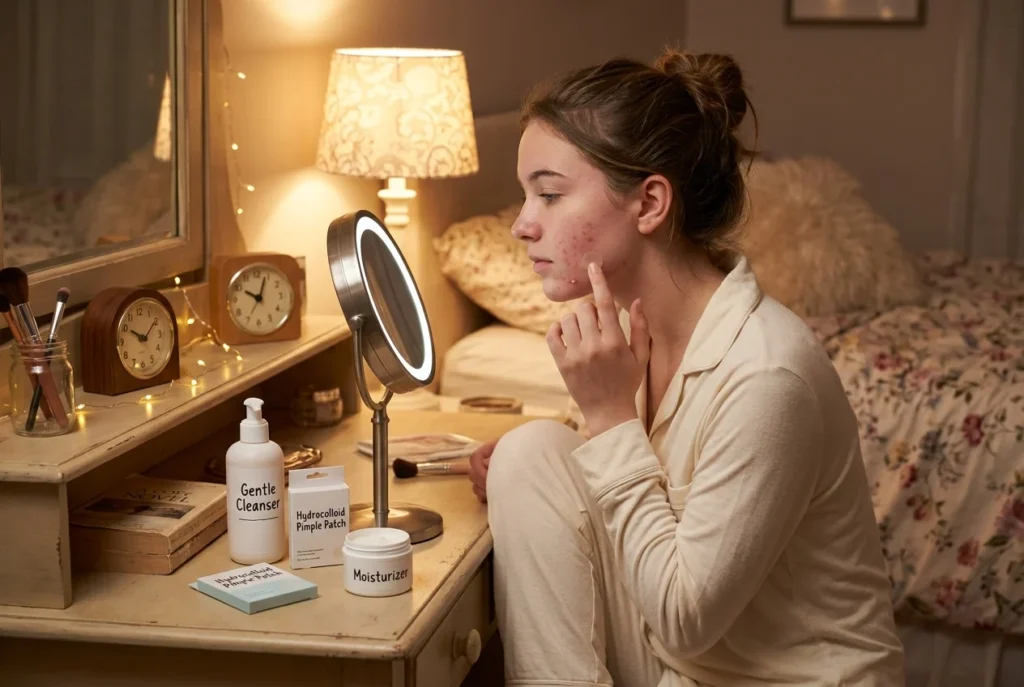
- Cleanse gently
- Avoid squeezing the pimple
- Use an appropriate acne treatment according to its directions
- If it’s a surface-level whitehead, a hydrocolloid patch can help absorb fluid and reduce appearance by morning
- For deeper, inflamed pimples, applying a benzoyl peroxide spot treatment and moisturizer is a better approach
- Apply moisturizer to prevent excessive dryness
The pimple may look calmer by morning, but complete healing usually takes longer. Don’t try to burn, dry, or scrub a pimple away—this will only make it worse.
How to Stop Pimples from Coming on Your Face
Prevention is more useful than constantly treating individual spots.
Keep your routine consistent:
Cleanse gently twice a day and moisturize regularly. Even oily skin needs hydration to stay comfortable.
Use non-comedogenic products:
Look for skincare and makeup labeled “non-comedogenic”—this means they’re less likely to clog pores.
Don’t touch your face unnecessarily:
Your hands can transfer oil and dirt to your skin, and frequent touching can irritate existing pimples.
Remove makeup before sleeping:
Leaving makeup on overnight can contribute to clogged pores for some people.
Don’t over-exfoliate:
Using too many exfoliating products can damage your skin barrier and increase irritation.
Protect your skin from the sun:
Daily sunscreen helps protect your skin and is especially important because some acne treatments can increase your skin’s sensitivity to sunlight.
Consider your diet:
For some people, high-glycemic foods (like sugary snacks and white bread) or dairy products may contribute to breakouts. If you suspect a food trigger, try keeping a simple food diary to identify patterns—but remember, diet is just one piece of the puzzle and is rarely the sole cause of acne.
How to Manage Pimples at Home
You don’t need an elaborate routine to support clearer-looking skin at home.
Start with three basics:
Cleanse → Moisturize → Protect (with SPF)
If you’re dealing with recurring acne, add one appropriate acne treatment rather than constantly switching between different products.
Important reminder: Acne isn’t caused by having a “dirty” face. Scrubbing harder will not remove acne and may actually make your skin more irritated. Be kind to your skin.
What Products Help Treat Pimples?
There isn’t one product that can permanently clear every pimple. The best choice depends on the type and severity of your acne.
Common acne-treatment ingredients:
| Ingredient | Best For | Starting Strength | Age Consideration |
|---|---|---|---|
| Salicylic acid | Blackheads, clogged pores, mild breakouts | 0.5% – 2% | Suitable for most teens; start with lower strength |
| Benzoyl peroxide | Inflamed pimples, red bumps, pustules | 2.5% – 5% (higher % isn’t more effective, just more irritating!) | Suitable for most teens; start with 2.5% |
| Adapalene (Differin) | All types, especially stubborn acne | 0.1% (available OTC) | Ages 12-13: Not recommended without dermatologist guidance. Ages 14-15: Use with caution and professional advice. Ages 16+: Can be used according to directions but start slowly. |
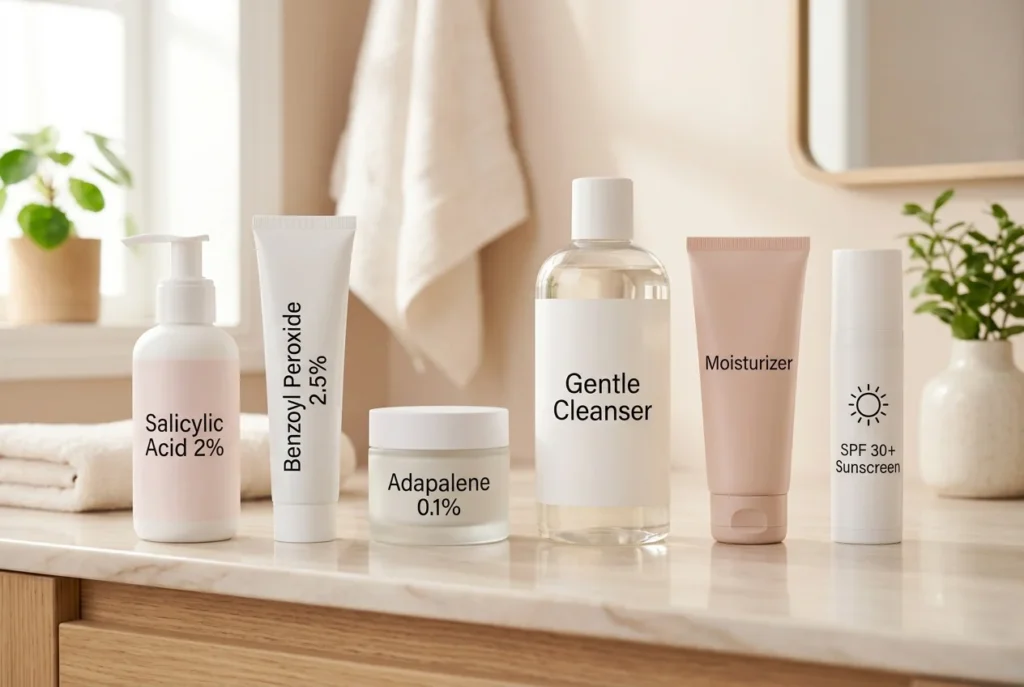
If you have sensitive skin: Start slowly, follow product instructions, and always use a moisturizer to help reduce dryness.
For persistent or severe acne: A dermatologist can recommend treatment based on your individual skin. Don’t hesitate to seek professional help.
How Do I Calm a Pimple Fast?
If you’re asking “How do I calm a pimple quickly?”, focus on soothing rather than aggressively attacking it.
A simple approach:
- Don’t squeeze it
- Cleanse gently
- Apply an appropriate acne treatment
- Use a hydrocolloid patch for surface-level whiteheads
- Keep your hands away from the area
- Avoid layering multiple irritating products
These steps won’t guarantee instant results, but they can help you avoid making the breakout worse and may help it heal faster.
Can I Clear Pimples in 3-7 Days?
Can I clear pimples in 7 days?
You may notice improvement in some breakouts within a week, but there is no guaranteed answer. Acne generally takes time to respond to treatment. Some individual pimples may settle faster than others, while recurring acne needs a longer-term routine.
Can I manage pimples in 3 days?
You may be able to make a pimple look less swollen or irritated within a few days, but there’s no guaranteed yes-or-no answer. The better goal is to reduce inflammation, prevent new breakouts, and maintain a healthy skin barrier—not to expect completely clear skin in a few days.
Avoid: Squeezing or repeatedly applying harsh products just to speed things up. Doing so can leave you with a longer-lasting red or brown mark. Consistency is usually more helpful than aggressive treatment.
When Should You See a Dermatologist?
Home skincare can be useful for mild acne, but some breakouts need professional treatment.
Consider talking to a dermatologist if:
| Sign | Why It Matters |
|---|---|
| 🚩 You have large, painful, deep pimples | Risk of permanent scarring |
| 🚩 Acne is leaving scars or persistent dark marks | Early treatment prevents long-term damage |
| 🚩 Breakouts cover your face, chest, or back | May need prescription-strength treatment |
| 🚩 Acne is affecting your confidence or daily life | This is valid; you deserve support |
| 🚩 Over-the-counter products haven’t helped after 3 months of consistent use | May need a different approach |
| 🚩 Your skin becomes very irritated from acne treatments | Dermatologist can recommend gentler options |
| 🚩 You’re under 16 and considering stronger treatments like adapalene | Professional guidance ensures safe and appropriate use |
What to expect:
A dermatologist can determine the type and severity of your acne and recommend an appropriate treatment plan, which may include prescription topicals, oral medications, or in-office procedures.
Final Thoughts
The best pimple management tips aren’t about finding a miracle treatment that makes a pimple disappear in five minutes. They’re about treating your skin gently, avoiding habits that worsen inflammation, and using appropriate acne treatments consistently.
Remember:
- Acne is common—about 85% of teens experience it
- It is not a sign of being “dirty”
- It takes time and patience to manage
- Your worth is not defined by your skin
- Seeking professional help is a sign of self-care, not failure
- Natural approaches can support skin health but are not a guaranteed or permanent cure
You may not be able to clear pimples overnight or permanently in a few days, but you can take practical steps to calm breakouts and prevent new ones.
Start with a simple routine, give your skin time to respond, and don’t let one pimple convince you that you need ten different products. 🌿
Information in this guide is for educational purposes and should not replace medical advice. If you’re unsure about any aspect of your skincare, consult a board-certified dermatologist.
Laura Bennett is a skincare writer dedicated to sharing practical skincare routines, ingredient knowledge, and healthy skin tips for every day.